
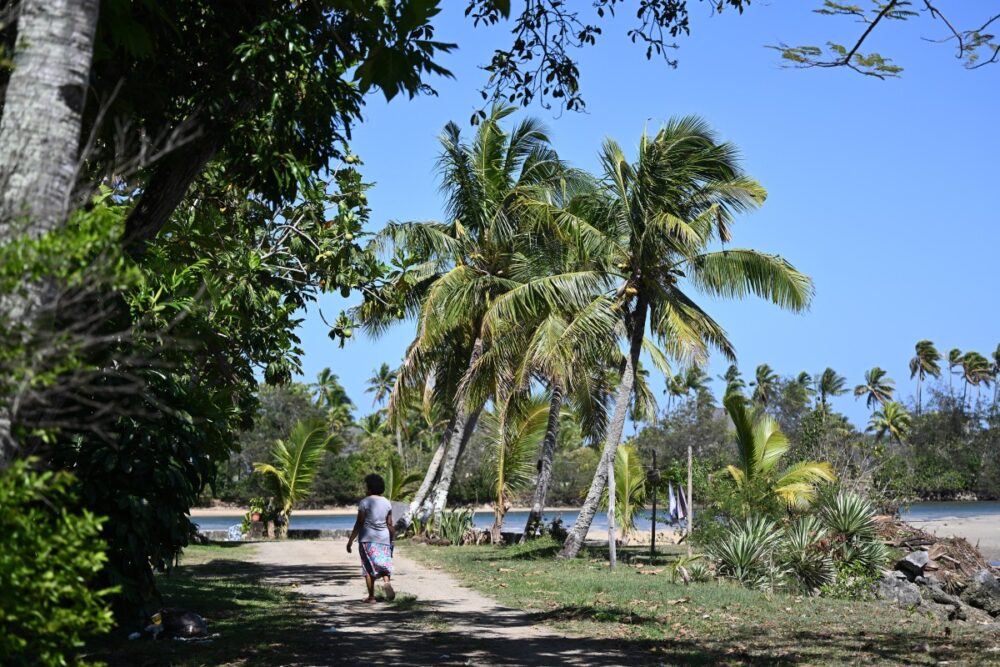
Across Fiji, families are worried about access to water and the consequences of this prolonged drought on their daily lives, said Fiji’s Prime Minister Sitiveni Rabuka.
Under this state of disaster, the government is empowered to ration water, order evacuations, and reallocate public funds to emergency aid.
Water reserves in large parts of Fiji have reached critical levels, according to local media, and dozens of trucks have been dispatched to replenish villages.
“We cannot control the climate, but we can act swiftly, use our resources responsibly, and stand together in facing its consequences,” Rabuka said.
The drought in Fiji is closely linked to the El Niño phenomenon, which dries tropical rainfall there.
This meteorological pattern, exceptionally intense in 2026, has driven up temperatures in the tropical Pacific, triggering climate changes that could increase the risks of droughts and floods while exacerbating global warming.